


There is an undeniable buzz that comes when a city steps onto the global sports stage. For spectators, athletes, and organizers, hosting a major endurance event like an Ironman is a badge of honor. It brings tourism, economic prestige, and an electric atmosphere. But for the people who actually live, work, and navigate the host community, it’s not always the most positive experience.
Jacksonville recently experienced this firsthand. As the city wrapped up hosting its inaugural Ironman event, the initial excitement was quickly met with a wave of local frustration. From gridlocked traffic and changing road closures, to huge safety concerns after several cyclists were struck and injured by vehicles, the tension between major event logistics and local daily life has taken center stage.
With the race locked into a multi-year contract, the community is left asking: How do we balance the undeniable benefits of these massive events with the safety and sanity of the athletes and the people who live here?
The Local Economic Windfall
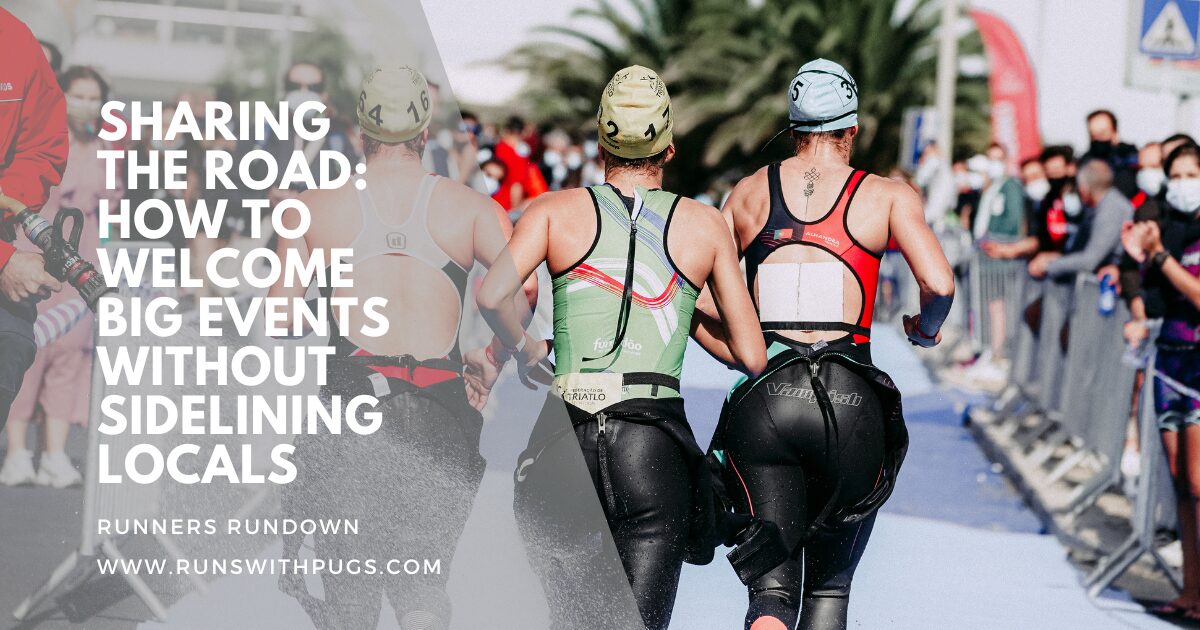
While the immediate closures are a headache for residents, the economic impact of an Ironman-distance event is massive. Thousands of out-of-town athletes, coaches, and families descend on the city for nearly a week. They fill downtown hotel rooms, pack local restaurants for carb-loading meals, and shop at local businesses. For the hospitality and tourism sectors, a single race weekend can generate millions of dollars in economic impact, boosting city tax revenues that ultimately fund local infrastructure and public projects throughout the year. We are used to this from The Players Championship and even The DONNA marathon in some regards, but our first Ironman was in a league of its own.
The Inconvenience vs. Infrastructure Reality
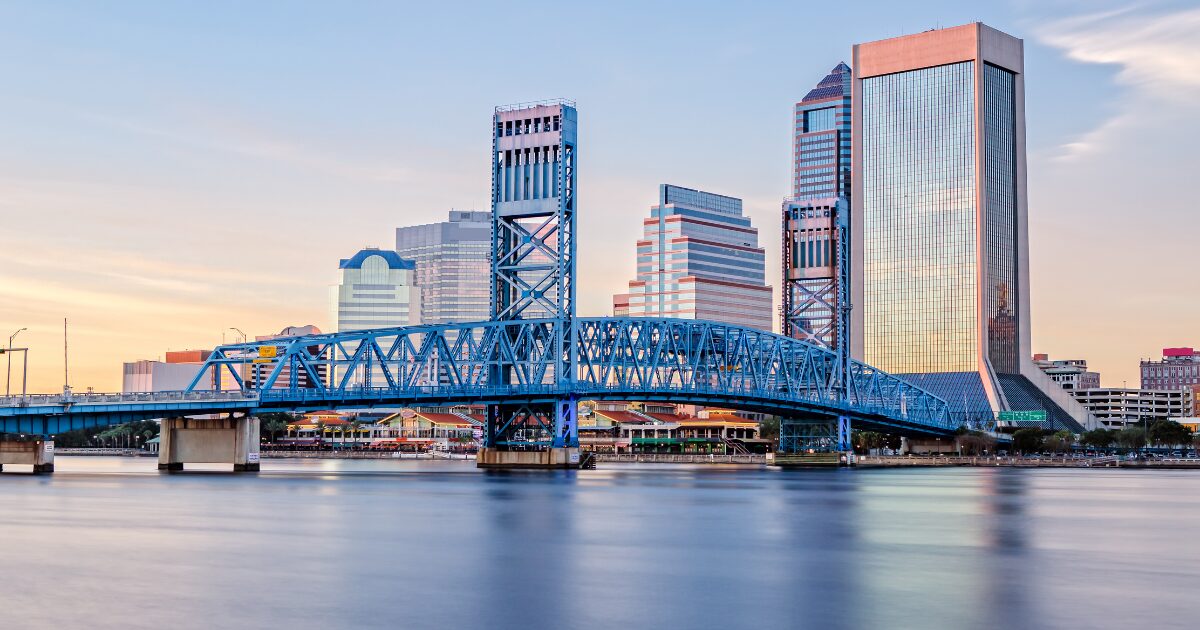
Despite that economic boost, major endurance events require an immense amount of physical real estate. Unlike a Jaguars game, confined to a stadium and adjacent parking lots, a triathlon bleeds directly into the arteries of a city. Hundreds of miles of public roads are closed or restricted for hours on end, cutting off residential neighborhoods, trapping residents in their homes, and choking small businesses that rely on weekend foot traffic. When communication from race organizers falls short or people aren’t locked into race announcements, a routine grocery run or a trip to work turns into a multi-hour nightmare. For locals, the macro-economic benefits felt by the city rarely offset the immediate frustration of being held hostage in their own neighborhoods.
The Critical Flashpoint of Road Safety
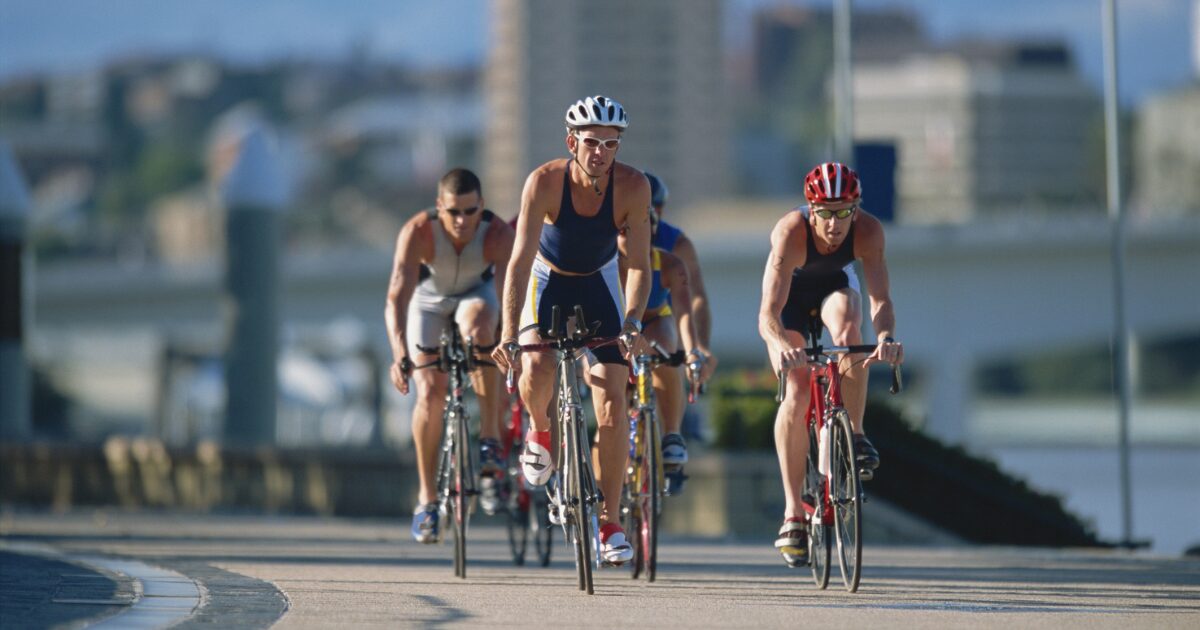
The most alarming impact of the recent event (in my opinion) wasn’t the traffic delays; it was the safety crisis. With hundreds of athletes navigating unfamiliar roads alongside frustrated local drivers, the margin for error dropped to zero. The reports of multiple cyclists being hit and injured during the event highlighted a dangerous disconnect in course security and driver awareness. When drivers are angry about delays and cyclists are focused on their race pacing, public roads become highly volatile zones. Safety cannot be an afterthought or a statistic; it requires absolute, foolproof separation between vehicular traffic and participants, especially in a place that is not know for being super friendly to cyclists on a good day.
Community Inspiration and Global Visibility
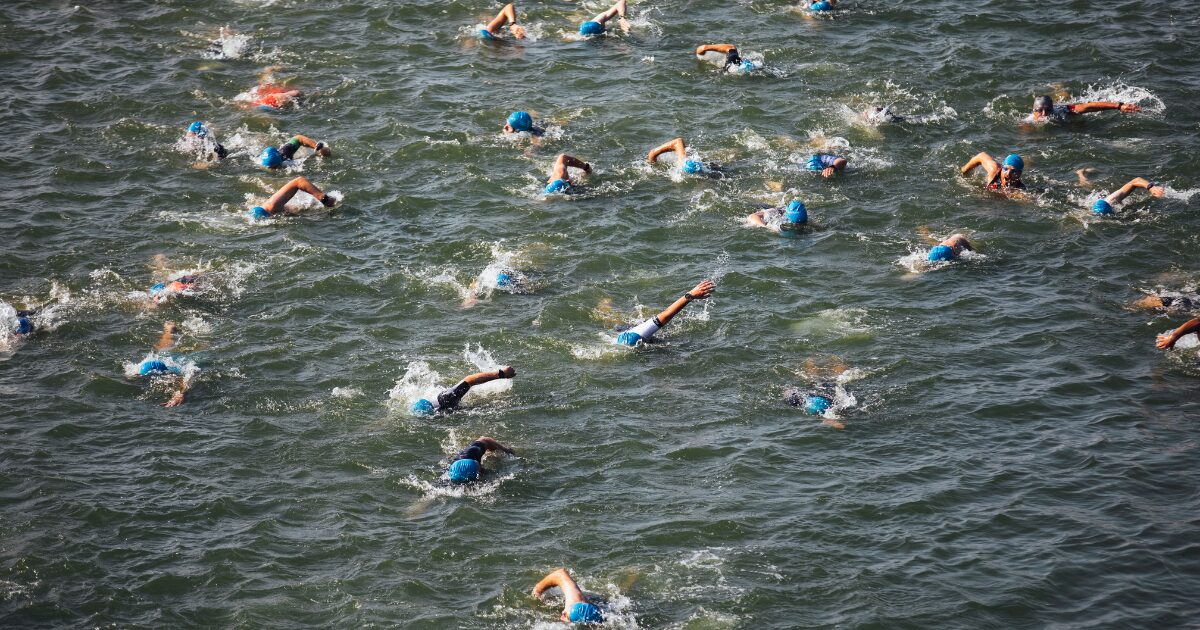
On a broader scale, hosting an event of this caliber shines a global spotlight on Jacksonville, marketing it as a vibrant, active, and capable host city for future sports tourism. Beyond the marketing, there is a powerful community element. Watching everyday athletes push through a 140.6-mile journey inspires local fitness communities, brings out hundreds of passionate local volunteers, and showcases the strength of human endurance right in our backyard. There were so many stories of triumph and victory, and that’s always so important.
The Multi-Year Horizon: Moving from Anger to Advocacy
Because this event is locked into a multi-year contract, simply venting on social media won’t fix next year’s race. The city and race organizers now have a critical obligation to have a thorough post-race strategy session. This means local leaders must sit at the table with neighborhood associations, business owners, and cycling advocacy groups to analyze the blueprint and discuss the sustainability. If an event is going to stay for years, it has to evolve from something that is inflicted upon the community into something that works with the community, maximizing the economic wins while fiercely protecting local safety.
Looking Forward: A Shared Road
Massive sporting events can bring incredible energy and financial benefits to a city, but that success shouldn’t come at the cost of public safety or local sanity. As a community, the goal moving forward isn’t to ban these events entirely, but to demand better execution, transparent communication, and absolute safety for everyone on the road, whether they are wearing a race bib or just trying to drive home.
Did you feel the economic buzz of the race, or did you get caught in the logistical nightmare? What are your thoughts?
Join the Runner’s Roundup!
Link up each week to post your favorite running tips, experiences, race and training recaps, workouts, gear, and coaching ideas. Join your hosts Coach Debbie Runs, Confessions of a Mother Runner, Mile by Mile, and Runs with Pugs, each week for the Runners’ Roundup linkup! Your link must be running related. Unrelated links will be removed. You must link back to your hosts — it’s common courtesy and a lot more fun! Spread the link-up love by visiting at least two other #running bloggers! Leave a comment and find new blogs to read! Use hashtags #running and #RunnersRoundup to stay in touch and promote your content!




Lots of good points here! I know some of the big races here really impact Baltimore City. The biggest issue for me is when I need to drive somewhere and there are road closures.
The sheriff of our county (neighboring) absolutely blasted IM and doesn’t want it back. He said no one knew about it. How is that possible?
My town hosts an Ironman 70.3 race and we’ve experienced all the issues you mention. The first year was really bad, with traffic gridlocks that even kept spectators from traveling to the finish line. Each year though it got better. People still complain but there really isn’t much of an issue any more.