


Summer heat in the south is no joke, and by August, the relentless humidity really starts to take its toll. When the local weather reports issue nothing but heat advisories, day after day, simply pushing through isn’t just uncomfortable, it can quickly become dangerous. Understanding how high temperatures and moisture levels impact your body is the key to staying safe while keeping up with your movement routine.

Understanding the Dew Point Scale
While most people focus on the temperature on their phone screen, the dew point is actually the most accurate measure of how hard your body will have to work. High humidity prevents sweat from evaporating off your skin, which is the primary mechanism your body uses to cool itself down.
- Under 60°F: Ideal conditions. Your body cools itself efficiently.
- 60°F to 65°F: Noticeable humidity. You will start sweating more, but cooling remains effective.
- 65°F to 70°F: Humid and uncomfortable. Effort feels harder, and your heart rate will run higher at your normal pace.
- 70°F to 75°F: Very oppressive. Pace needs to slow down significantly, and walking breaks are recommended.
- 75°F and above: Extreme caution required. Exercise should be kept short, light, or moved indoors entirely.

When It Is Simply Too Hot
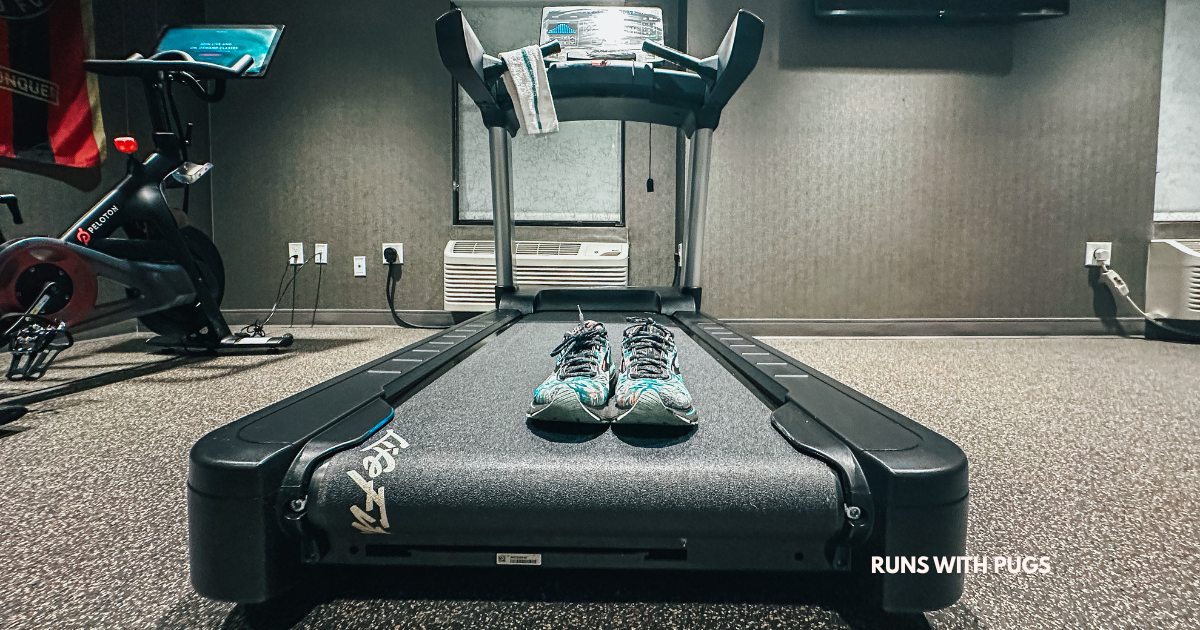
A heat advisory typically means the heat index (what the air actually feels like when relative humidity is combined with the air temperature) is expected to reach 105°F or higher. When conditions reach this threshold, high-intensity outdoor workouts carry a steep risk of heat exhaustion or heat stroke. If the heat index crosses 100°F, or if the dew point sits above 75°F during your planned workout window, trading the pavement for an air-conditioned room, a treadmill, or an indoor strength session is the smartest choice you can make.
Adjusting Your Routine for Safety
When you DO head out in warm, sticky conditions, making proactive adjustments keeps you moving without putting your health on the line.
- Shift your timing: Get out before sunrise when temperatures hit their daily low, or wait until well after the sun goes down.
- Forget about pace: Run or walk entirely by effort or heart rate. A pace that feels effortless in October can push your heart rate into the red zone in August.
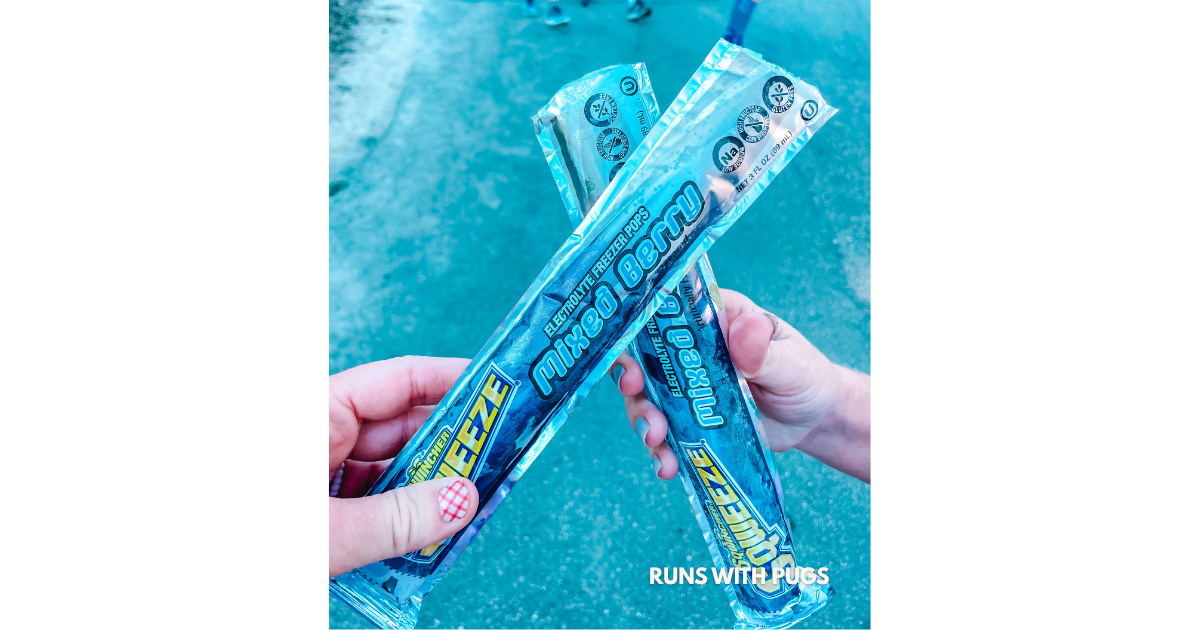
- Prioritize fluids and electrolytes: Carry water on any outing longer than 20 minutes, and sip electrolytes throughout the day rather than relying solely on post-workout hydration.
- Listen to warning signs: Stop immediately if you experience dizziness, nausea, sudden headache, cold clammy skin, or confusion.
Taking care of your body through extreme heat means adapting, not quitting. Pay attention to what the air actually feels like before you lace up, respect what the numbers are telling you, and save the intense efforts for when the air finally clears.
How do you handle outdoor workouts when the humidity spikes? Do you adjust your time, shift to treadmill miles, or take it slow?

Join the Runner’s Roundup!
Link up each week to post your favorite running tips, experiences, race and training recaps, workouts, gear, and coaching ideas. Join your hosts Coach Debbie Runs, Confessions of a Mother Runner, Mile by Mile, and Runs with Pugs, each week for the Runners’ Roundup linkup! Your link must be running related. Unrelated links will be removed. You must link back to your hosts — it’s common courtesy and a lot more fun! Spread the link-up love by visiting at least two other #running bloggers! Leave a comment and find new blogs to read! Use hashtags #running and #RunnersRoundup to stay in touch and promote your content!




Leave a Reply