


If you’ve ever caught your reflection three miles into a humid July run, you know the picture isn’t always pretty. Your face is flushed, your hair is a mess, and you’re really rethinking the choices that brought you to this moment. But behind that chaotic exterior, your internal systems are running a highly coordinated, incredibly complex operation. From the first quarter-mile to the post-run shower, lacing up kicks off a cascade of physiological shifts. Here’s a look at what’s actually happening under the hood when you put feet to pavement.

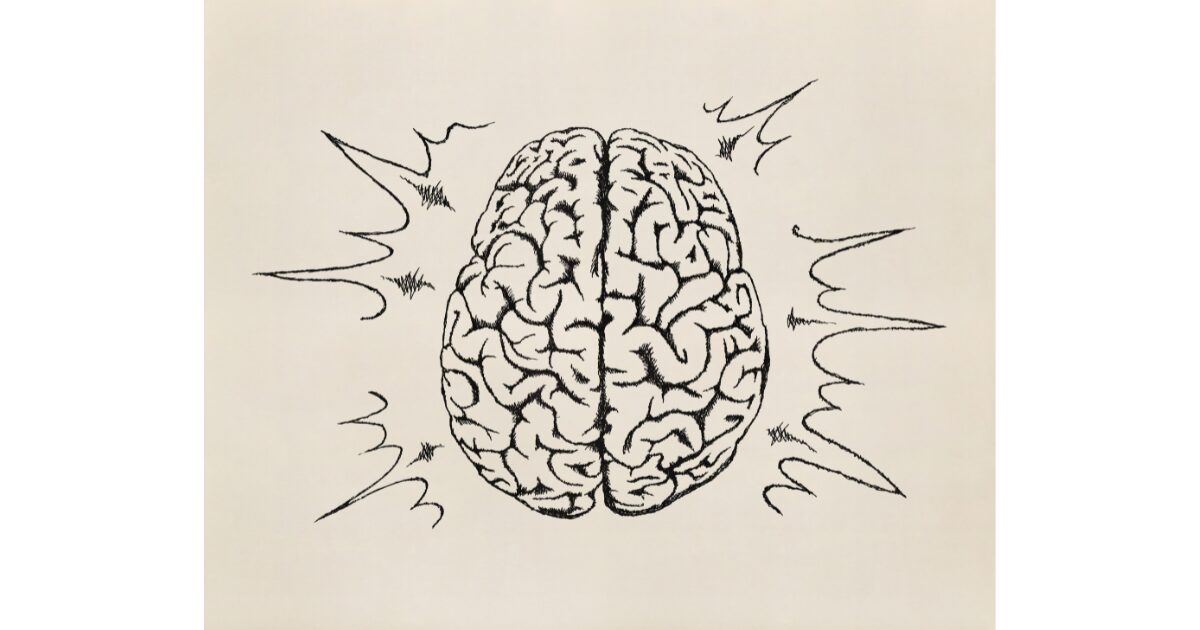
Your Brain Gets An Immediate Chemical Upgrade
The “runner’s high” isn’t just a catchy phrase coined by marathoners; it is a genuine neurochemical event. Within about twenty minutes of sustained effort, your body starts pumping out endocannabinoids. These are naturally produced compounds similar to the ones found in cannabis, and they cross the blood-brain barrier to dull pain signals and boost your mood. At the same time, running stimulates the release of BDNF (brain-derived neurotrophic factor). BDNF actively promotes the growth of new brain cells in the hippocampus, the area responsible for memory and learning, which explains why a quick morning run helps you solve all your day’s problems.
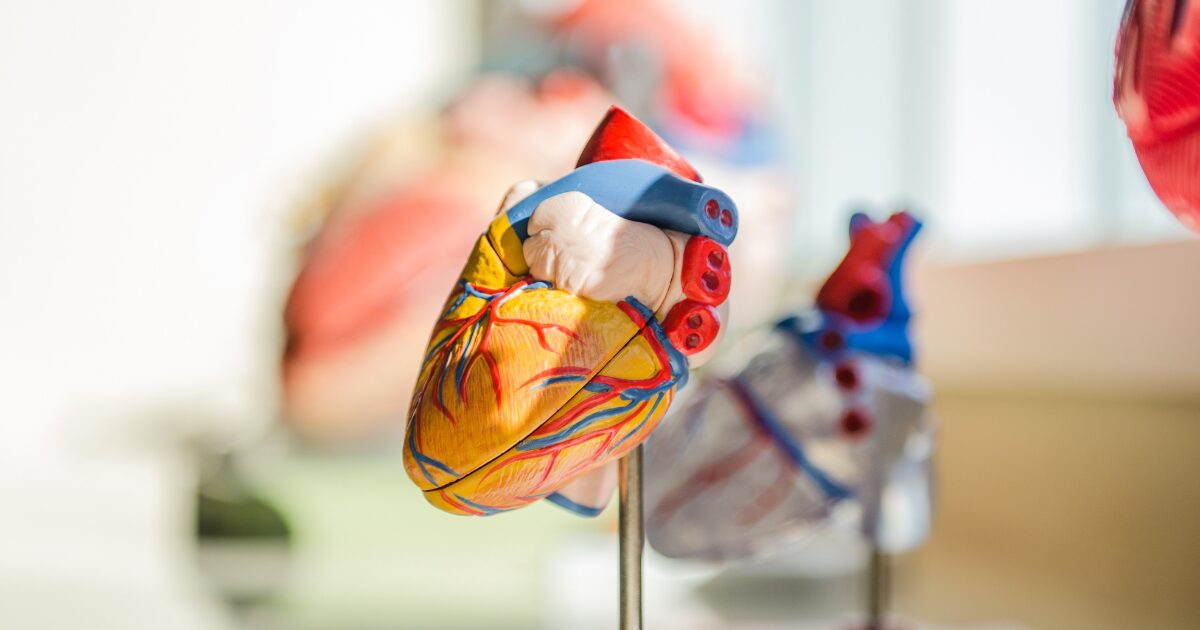
Your Cardiovascular System Transforms Into A High-Efficiency Pump
Your heart is a muscle, and like any other muscle, it responds directly to demand. When you run, your heart rate climbs to deliver oxygen-rich blood to your working legs. Over time, that consistent workload reshapes the organ itself. The left ventricle, which pumps oxygenated blood out to the rest of the body, expands and grows stronger. This means your heart can push out a larger volume of blood with a single stroke. The long-term payoff? A lower resting heart rate, cleaner blood pressure numbers, and a network of capillaries that expands throughout your muscles to make oxygen delivery effortless.
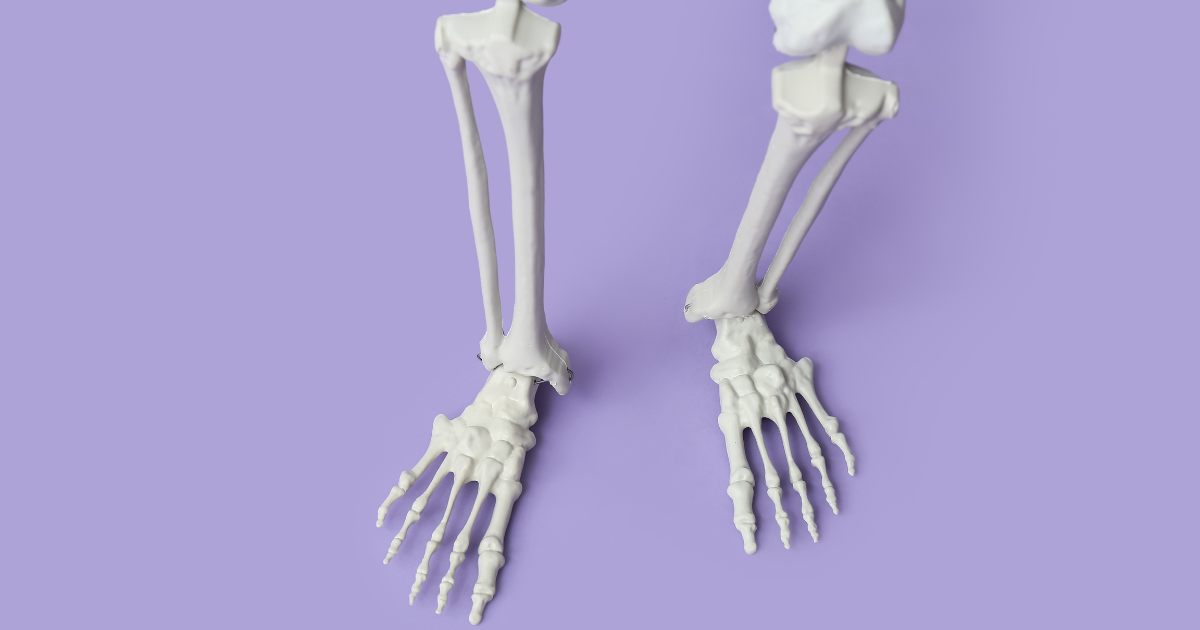
Your Bones And Joints Get Stronger
There’s a persistent myth that running destroys your joints. In reality, healthy bone and cartilage thrive on impact. Every time your foot strikes the ground, the impact sends a subtle mechanical signal through your skeleton. Your body responds to this stress by laying down new bone tissue, increasing bone mineral density in your hips, spine, and legs. As for your knees, running stimulates the flow of synovial fluid, which lubricates the joint and delivers nutrients to the cartilage. As long as you give your tissues enough time to adapt and recover, the impact actually builds a more resilient structural framework.
Your Muscles Adapt At A Cellular Level
During those initial weeks of training, your calf and thigh muscles are working hard to handle the load. Inside those muscle fibers, something microscopic happens. Your cells begin generating more mitochondria, which are the tiny power plants responsible for turning glycogen and oxygen into usable energy. More mitochondria mean your body gets significantly better at burning fuel efficiently. Additionally, your muscles learn to store higher amounts of glycogen right where it’s needed, giving you access to fast energy without feeling gassed ten minutes into a workout.
Your Metabolic Thermostat Gets Reset
Long after you take off your running shoes, your body keeps working. This phenomenon is known as excess post-exercise oxygen consumption, or EPOC. Because your system spent so much energy during the run, it requires extra oxygen for hours afterward to repair muscle tissue, clear out metabolic waste, and cool your core temperature back down. Your metabolism stays elevated well into the afternoon, meaning you continue burning calories at a higher rate while you sit at your desk, drink your iced coffee, or lounge on the couch.
Running can feel uncomfortable while you’re in the middle of it, but the structural and biological adaptations happening behind the scenes are really miraculous. Every mile changes how your heart pumps, how your brain manages stress, and how your cells generate energy.
What‘s the biggest physical or mental change you’ve noticed since you started running? Do you feel the brain-boosting effects right away, or do you run strictly for the physical endurance?
Link Up With Tuesday Topics
Welcome back to Tuesday Topics, as Jenny, from Runners Fly joins Jenn at Runs With Pugs to co-host this link-up! Please join us every week for a new topic! Write on our weekly prompt or choose your own topic! Make sure to add your post to the link up, link back to your hosts, and comment on the other shared posts!




Great post, Jenn! My biggest physical change happened about 15 years ago… I was a very healthy runner for over 40 years until I developed a mild herniation in a disc and that started a downward spiral that eventually unraveled my running story. 🙁
Here’s to many more years of happy running for you!
Oh, this is an excellent summary, Jenn! I especially love that you included the benefits for bone and joint health. So many of my non-running friends are convinced that running is “ruining my knees,” when the evidence actually points in the opposite direction for most healthy runners.
And your point about the mood-boosting effect of a morning run is so true. I’ve just come back from my morning run, and I feel like I can take on anything the day throws at me. It’s hard to beat that feeling of starting the day with fresh air, movement, and a clear head!