

August is one step closer to the -ber months, and that means we might be able to put the heat and humidity behind us. We’ve put in the work, and now we might reap the benefit of cooler mornings. It’s tempting to jump straight into high mileage or fast workouts the second the temperature drops a few degrees. But diving into a heavy autumn training block without setting a foundation first usually ends with nagging injuries or sudden burnout. Before you start checking off big workouts on your fall race calendar, shift your attention to these five things.
Check Your Shoe Rotation
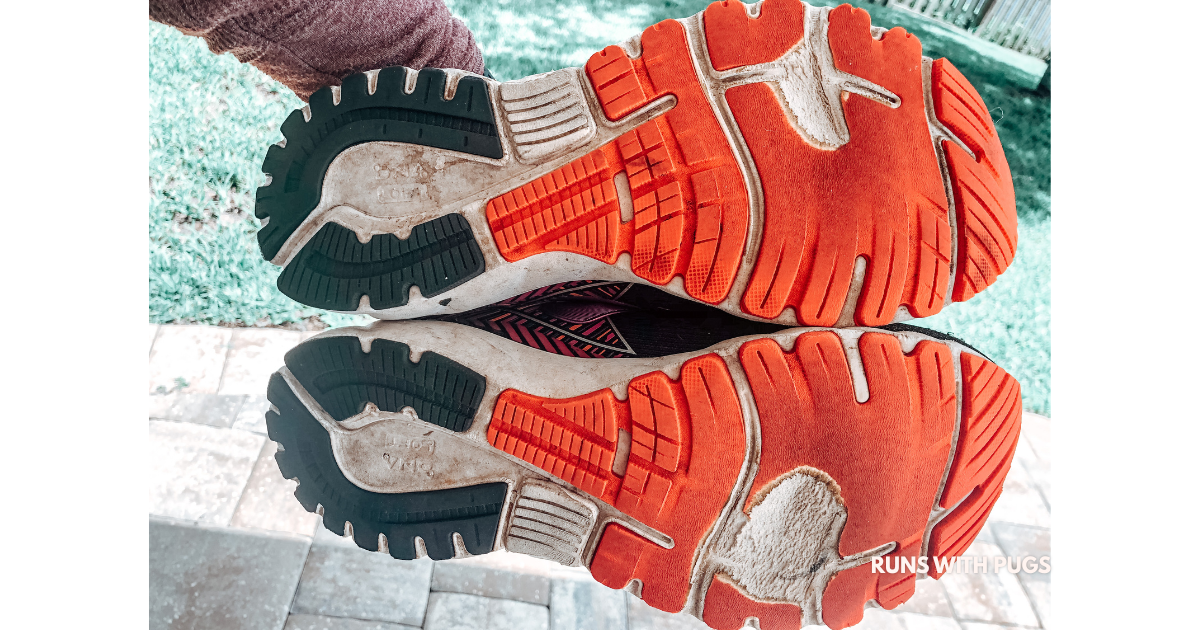
If you ran hard all summer, your shoes took a beating. Sweat, humidity, and heat break down foam midsoles much faster than cold weather does. Stepping into increased fall volume on dead cushioning is a fast track to plantar fasciitis or shin splints. Inspect the treads on your primary pairs of shoes. Look for uneven wear patterns or compressed foam around the heel and forefoot. If a pair passed the 300-to-400-mile mark, retire it or relegate it to casual dog walks. Get a fresh pair broken in now so your joints stay protected when miles start adding up.
Lock In a Baseline Strength Routine
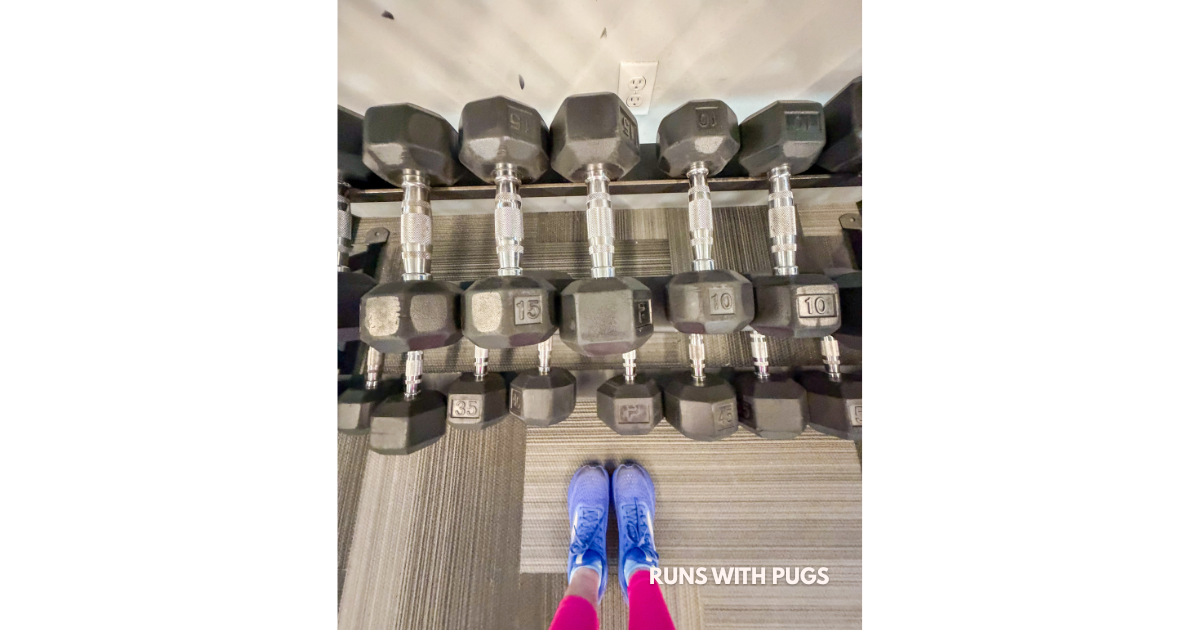
Mileage alone won’t keep you healthy when training intensity picks up. You don’t need to spend hours in a commercial gym lifting heavy barbells. Two 20-minute sessions a week focused on core, glute activation, single-leg stability, and hip strength make a huge difference. Simple movements like step-ups, single-leg deadlifts, clam shells, and planks build the structural foundation your body needs for higher impact. Put these sessions on your calendar as non-negotiable appointments before your week gets crowded.
Establish a Consistent Fueling Habit
Cooler weather deceives your brain. You sweat less noticeably than you do in August, making it easy to forget that your body is still burning through glycogen and losing fluids.
Get your fueling strategy dialed in before long runs get demanding.
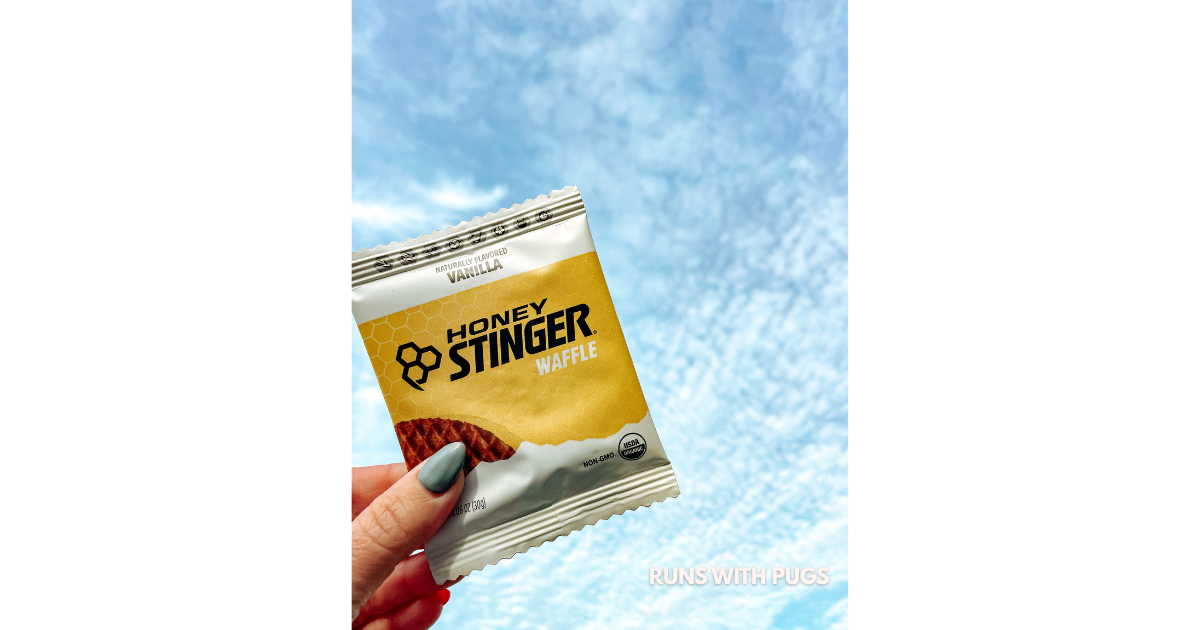
- Pre-run: Practice eating a small, carbohydrate-focused snack 30 to 45 minutes before heading out, even on easy days.
- Post-run: Aim for 25 to 30 grams of protein within an hour of finishing to jumpstart muscle repair immediately.
- Hydration: Keep sipping electrolytes throughout the day, not just during the two hours after you stop moving.
Prep Your Cold-Weather and Dark-Gear Station
Fall brings rapid changes in daylight hours and sudden temperature swings. The friction of searching for missing arm warmers or a dead headlamp at 5:30 AM can ruin a morning run before it starts.
Set up a dedicated station near your door or in your closet. Gather your essentials in one accessible spot:
- Reflective vests or flashing clip-on lights
- Headlamps (charged and ready)
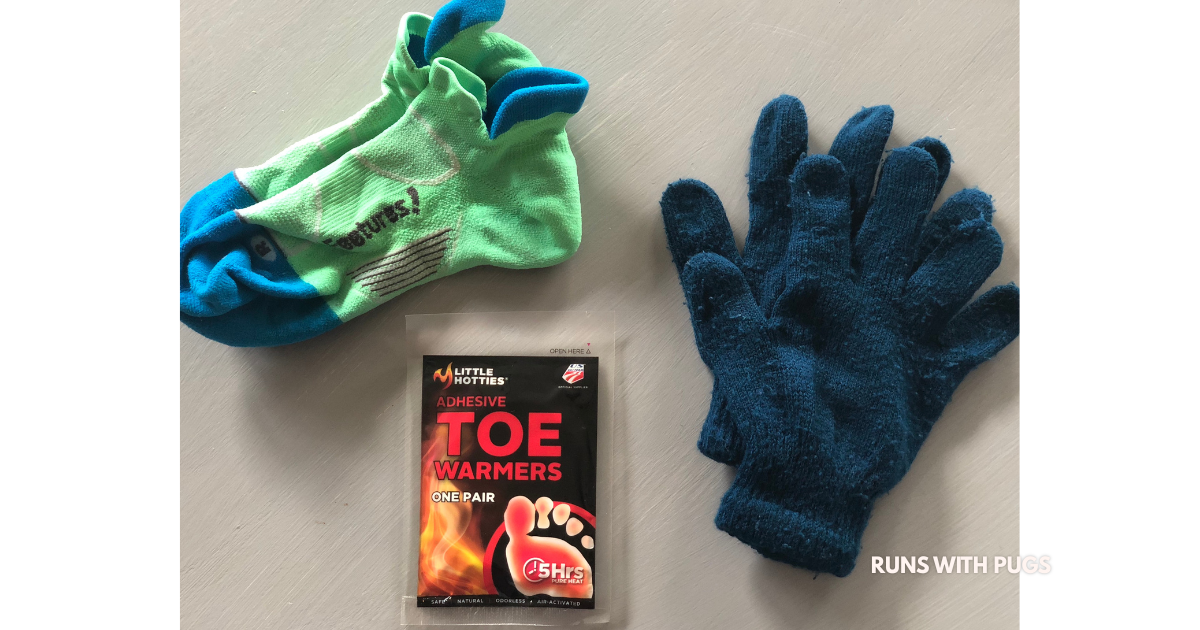
- Light windbreakers, arm sleeves, and gloves
- High-visibility caps
When your gear stays organized and visible, getting out the door in early morning darkness takes two minutes.
Set One Clear Primary Focus
Trying to build peak speed, maximize weekly distance, lose weight, and trail-commute all in the same six-week window guarantees you’ll do none of them well. Decide what this fall block is actually about for you. Are you chasing a 5K or half marathon personal best? Building steady base miles without racing? Shifting toward trail adventures? Pick one clear priority. Every secondary decision in your weekly schedule, from how hard you push tempo runs to how strictly you protect your rest days, should support that main goal.

Welcome to Fit Five Friday, our new linkup!
We’ve got FOUR incredible co-hosts, and we are ready to link up every Friday to share YOUR weekly fitness favorites! Join My First 5K and More, Running With Attitude, Run Laugh Eat Pie, and Runs with Pugs, every Friday for Fit Five Friday! Who’s ready for some fun?



Great advice. For every season.
Right now I’m trying to rehab my Achilles but also prepare for a half in a few weeks.
These are great tips. It’s so weird to see toe warmers when we’re here baking in the heat! Haha! We re rapidly losing daylight though and I don’t care for that one bit.
We are losing it, too. The toe warmers will come out later this winter!
Such great tips for getting ready for fall – paying attention to fueling, strength and gear are things we can all work on dialing in! Funny to see all of your winter gear in Florida – LOL!
Shockingly, we do get some cold months. And I have Raynaud’s so I do need to protect my hands.
Great tips – I especially need to give my fueling more attention. I’m more than ready for the ber-months to begin!
I need -ber months like whoa!