
There comes a point in every woman’s life where the status quo stops working. For years, I was able to get by on caffeine, snacks, and questionable sleep. Lately, it seems like my luck has run out, and my body isn’t responding quite the same as it used to. Welcome to menopause. It’s a frustrating season, especially considering how little we still know about this inevitable condition, and every body has different and varying needs, making it even harder to navigate.
Even worse, my running and self-confidence has taken a hit from the unwelcome changes. I tell myself it’s not me, but that doesn’t stop the march of shifting hormones and annoying side effects. Avoidance doesn’t help, so it’s time to suck it up and adjust my training and fueling to better support my muscles, bones, and energy. The goal? To stay strong and keep going as long as I can!
Estrogen Vs. Muscle
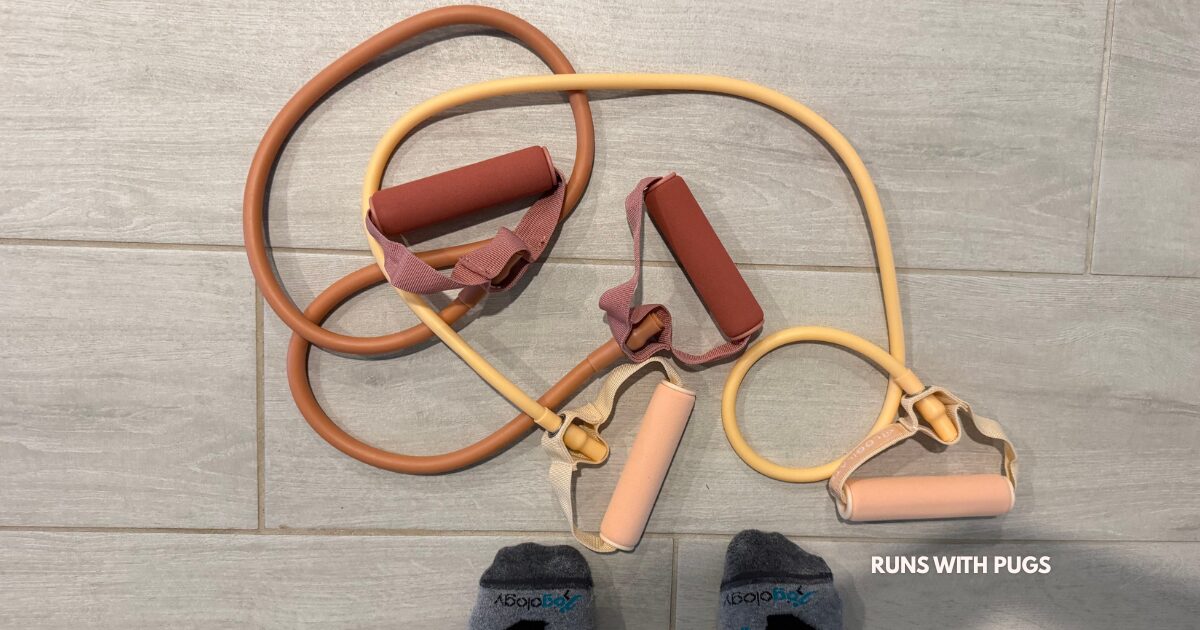
Estrogen is a powerful ally for running, especially when it comes to keeping our muscles strong and helping them rebuild after a hard effort. As those levels naturally drop, we start losing muscle mass at a much faster rate. Where once, logging miles was all we needed to do for fitness, it’s now vital to introduce heavy resistance or strength training. This is the best way to protect joints and bones to keep doing the thing we love for as long as possible. It’s a small price to pay, even if you hate the gym.
Protecting Your Foundation
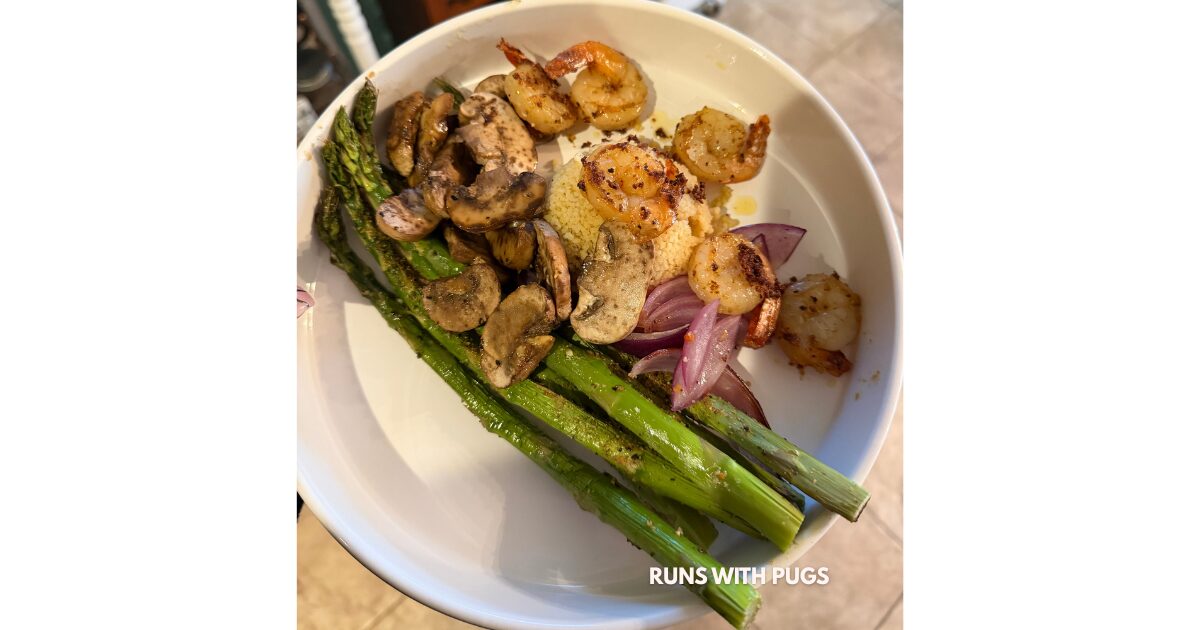
Without the protective buffer of estrogen, bone mineral density naturally declines, which means the risk of stress fractures or nagging injuries goes up. I already have one ankle held together with plates and pins: I don’t need another. While running is great for bone health, we have to treat recovery way more seriously than when we were younger. Make sure you’re fueling properly and giving your bones the time they need to recover between runs for best results.
Make Recovery Intentional
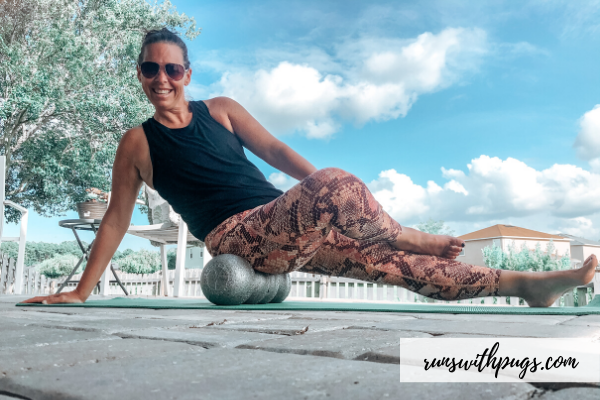
In our younger days, bouncing back from a long run with a quick stretch and a good meal was a no-brainer. Now, systemic inflammation is higher and cellular repair takes its sweet time. I’ll have times where my legs feel heavy or totally dead for days after a workout for no good reason! Recovery has to move up the priority list. It requires intentional scheduling: actually carving out time for dedicated mobility work and foam rolling. A few rest days won’t hurt either.
Be Cool
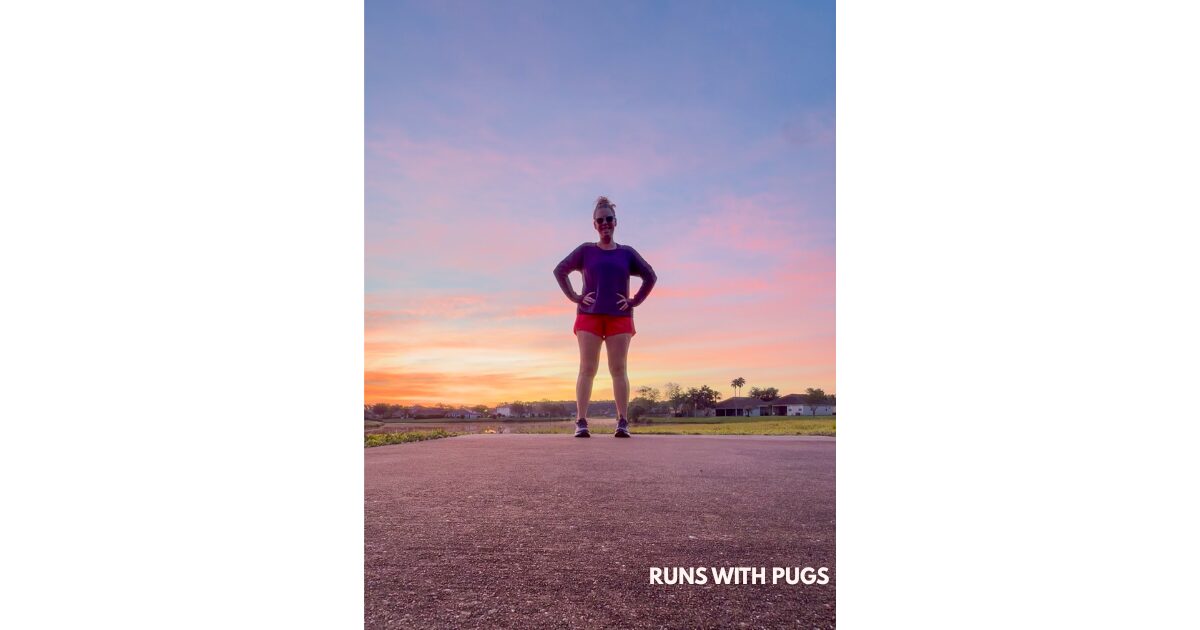
Hormonal shifts completely alter our body’s internal thermostat, making us way more sensitive to heat and humidity. If you’re training through a Florida summer, your core temperature is going to spike faster, and your sweat response will change completely. I wake up at all hours of the morning to find the absolute coolest time for my run, and I do everything I can, including taking walk breaks, to keep from overheating.
Finding Peace
And don’t get me started on the mental side of things: brain fog, random anxiety, unpredictable mood swings, ravenous hunger. It’s really hard to stay the course when you’re battling the mental, emotional, and physical, all at once! A troubled mind also escalates the feelings of discouragement that come with more challenging workout performances. We have to remember to celebrate what our body can do in the moment we’re in.

Reclaim Your Miles
This season isn’t the end of your running life. It’s simply a change in the situation. By respecting the physical changes your body is going through and adjusting your training and recovery to match, you can keep your momentum moving forward. The finish lines might look a little different, but you own those miles and deserve to enjoy and honor each and every one!

Are you navigating the shift of midlife running right now? How are you adjusting your routines to keep moving forward?
Join the Runner’s Roundup!
Link up each week to post your favorite running tips, experiences, race and training recaps, workouts, gear, and coaching ideas. Join your hosts Coach Debbie Runs, Confessions of a Mother Runner, Mile by Mile, and Runs with Pugs, each week for the Runners’ Roundup linkup! Your link must be running related. Unrelated links will be removed. You must link back to your hosts — it’s common courtesy and a lot more fun! Spread the link-up love by visiting at least two other #running bloggers! Leave a comment and find new blogs to read! Use hashtags #running and #RunnersRoundup to stay in touch and promote your content!



Such good points, Jenn!
The only thing I noticed about menopause are hot flushes. I’m sure there more symptoms, but they were probably not obvious enough for me to notice.
Fortunately, I quit my job at 50 and we started our own little business, which meant that I had much more freedom and time for strength work, sleep and recovery. I think these things really helped me to get through the ups and downs of menopause. Things improved even more when I started HRT at 55 – finally the hot flushes went away!
Even in my early forties I am noticing some changes and different needs as a runner. It’s definitely tricky to navigate! I am coaching some runners in their 50s who have switched to heavier lifting and more recovery between runs and its made a big difference.
I was fortunate enough to not start running until after menopause.
My biggest issue was not sleeping well.
Good luck. Sounds like you have it all figured out.
Oof. The struggle is real, my friend! I feel like this is a companion to your post from yesterday, which I just read also. It’s really, really hard to do the same training and eat the same way- and yet see undesirable changes in our bodies. We just have to fight against it, starting with strength training. I don’t like it either, but we have to do it- not just to keep running, but also just to go into old age in a healthy way. Eating is really hard, especially if you battled an eating disorder in the past (me too). It’s so hard to eat healthier- which probably means restricting certain things- without triggering disordered eating again.
On the other hand, there are plenty of older women who are still kicking ass, and we can be two of them! Have you heard of the podcast, Hit Play Not Pause? It’s all about women athletes after menopause. I haven’t listened to it in a while, but there’s some good inspiration there.
I think it’s important to learn about hormonal changes and have someone who will help you find bioidentical hormones that can really help with menopause symptoms. They can go beyond hot flashes and can include joint pain and other physical discomfort.