


With Election Day finally here, civic duty and local issues are on everyone’s mind. When I first got into running, I was pretty naive about the whole thing. I used to think all you needed was a pair of decent shoes and the open road, and that anyone could just jump right in.
After years of listening, learning, and paying attention to the world around us, I know that picture was far too simple. Running doesn’t happen in a vacuum. It’s deeply tied to community policies, infrastructure, and socioeconomic privilege.What feels like a simple daily habit depends heavily on resources that aren’t available to every body equally.
(Updated from a post published May 7, 2025)

Running Is Expensive
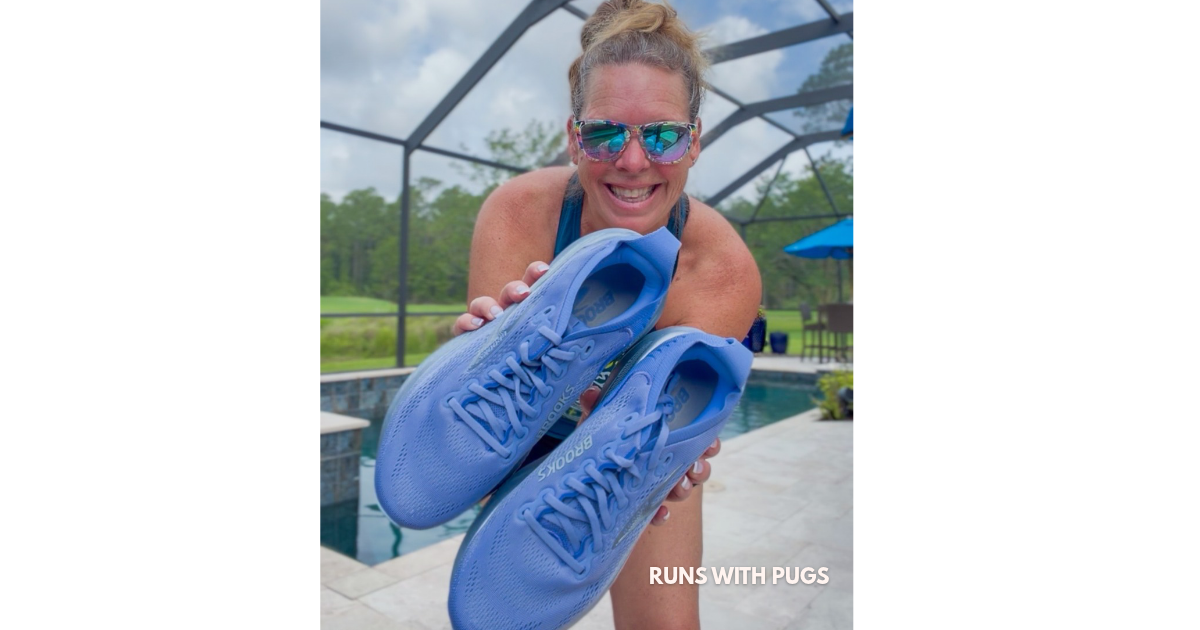
We like to call running a free sport, but is it, really? A solid, supportive pair of running shoes starts at around $130, and those soles wear out after a few hundred miles. Skimping on proper footwear or pushing shoes past their lifespan can lead to injuries and long-term joint damage. Add in basic necessities like moisture-wicking socks (which easily cost $15 a pair), supportive apparel, and weather-appropriate gear, and the price quickly adds up. That doesn’t even touch wants like high-end GPS watches or race registration fees. For many households, these entry costs make running cost-prohibitive from the start.
Running Requires Safety
Safety is a recurring topic in running circles. We often share well-meaning tips about running with groups, staying in well-lit areas, or carrying personal alarms. However, individual precautions don’t solve foundational issues. Some neighborhoods lack sidewalks, streetlights, or safe pedestrian infrastructure. Furthermore, systemic violence and harassment mean certain spaces simply are not safe for every body. True accessibility means advocating for safer public spaces and refusing to excuse violence so every person can move freely and without harm.

Running Requires Time
Time is one of our most valuable resources, and having control over your schedule is a huge privilege. If you have a flexible job, a partner who shares childcare, or family nearby to help out, carving out an hour for a run is manageable. That luxury doesn’t exist for everyone. Single parents, caregivers, and people working multiple jobs to cover rising costs don’t have spare hours to dedicate to training. When basic survival and family needs fill every hour of the day, exercise naturally falls to the bottom of the list.

Running Requires Good Nutrition + Clean Water
To move our bodies and build endurance, we need proper fuel. Having easy access to fresh produce, quality groceries, and clean drinking water requires both financial resources and location privilege. In many urban and rural areas, food deserts mean families rely on small convenience stores with limited, overpriced, or highly processed options. Clean, safe tap water is still not a given in every American community. Reliable nutrition and clean water are essential building blocks for physical activity, yet systemic inequalities leave many without them.

Running Requires Affordable Healthcare
Even with careful training, runners deal with aches, strains, and injuries. The current healthcare landscape makes getting preventative or maintenance care difficult for many people. When a doctor visit or physical therapy session comes with steep out-of-pocket costs, minor niggles get ignored. Over time, those minor issues can turn into serious injuries that require costly interventions. Pushing for affordable, accessible healthcare creates a culture focused on prevention and overall well-being, rather than reactive treatment.
Our local communities, streets, and public health resources are directly shaped by the policies and leaders we elect. So if you haven’t already, grab your ballot, find your polling place, and make your voice heard today. Go out and vote!
Do you see running as political? How do local policies impact your daily runs?
Link Up With Tuesday Topics
Welcome back to Tuesday Topics, as Jenny, from Runners Fly joins Jenn at Runs With Pugs to co-host this link-up! Please join us every week for a new topic! Write on our weekly prompt or choose your own topic! Make sure to add your post to the link up, link back to your hosts, and comment on the other shared posts!




While on the surface it seems like running should be inclusive, it really isn’t in alot of ways. It would be great if we could eliminate some of these barriers!
Not at all. It makes me sad that we don’t do more to take care of everyone so they can do things to keep them well and strong. It would make the world a better place, in my opinion.
Such an important post, Jenn. Running may look accessible, but as you point out, it comes with hidden costs — gear, safety, time, healthcare — that many can’t afford.
In South Africa, I see how lack of shoes or proper clothing can be a major barrier. That’s why many runners here collect and donate lightly used shoes and kit to under-resourced communities. It’s a small gesture, but it opens doors. Your post is a great reminder that if we want running to be for everyone, we need to acknowledge the privilege and do our part to lower the barriers.
There’s so much that goes into it. We do donations here as well, and I do hope it helps ease the challenges for people who really want to be a part of the community but can’t.