


When we think about running injuries, our minds usually go straight to the structural stuff: plantar fasciitis, runner’s knee, or shin splints. We plan our strength training and mobility work around protecting our joints and muscles. But during the brutal summer months, the biggest threat to your training streak isn’t always mechanical. Often, it’s systemic.
Running in high heat and soaring humidity places an entirely different kind of stress on your body. When the environment forces your cardiovascular system to work twice as hard just to keep you cool, your risk for specific heat-related injuries skyrockets. These aren’t just uncomfortable summer side effects; they are actual physical setbacks that can derail your consistency if ignored.
Understanding how the heat alters your physiology is the first step to staying healthy until the fall breeze arrives. Here are four common heat-related running injuries to watch out for, and how to spot the warning signs before they stop you in your tracks.

Muscle Cramps From Electrolyte Depletion
We’ve all been there: mile four of a humid run, and suddenly your calf or hamstring locks up into a tight, painful knot. While traditional running cramps can happen from simple muscle fatigue, summer cramps are frequently caused by acute electrolyte imbalance. When you sweat heavily, you aren’t just losing water. You’re losing essential sodium, potassium, and magnesium. Without these minerals, your muscles cannot properly fire or relax. If you start feeling a sudden, involuntary twitch on the road, it’s your body’s immediate signal to drop the pace, walk, and get some electrolytes in your system.

Friction Blisters From Sweat Saturation
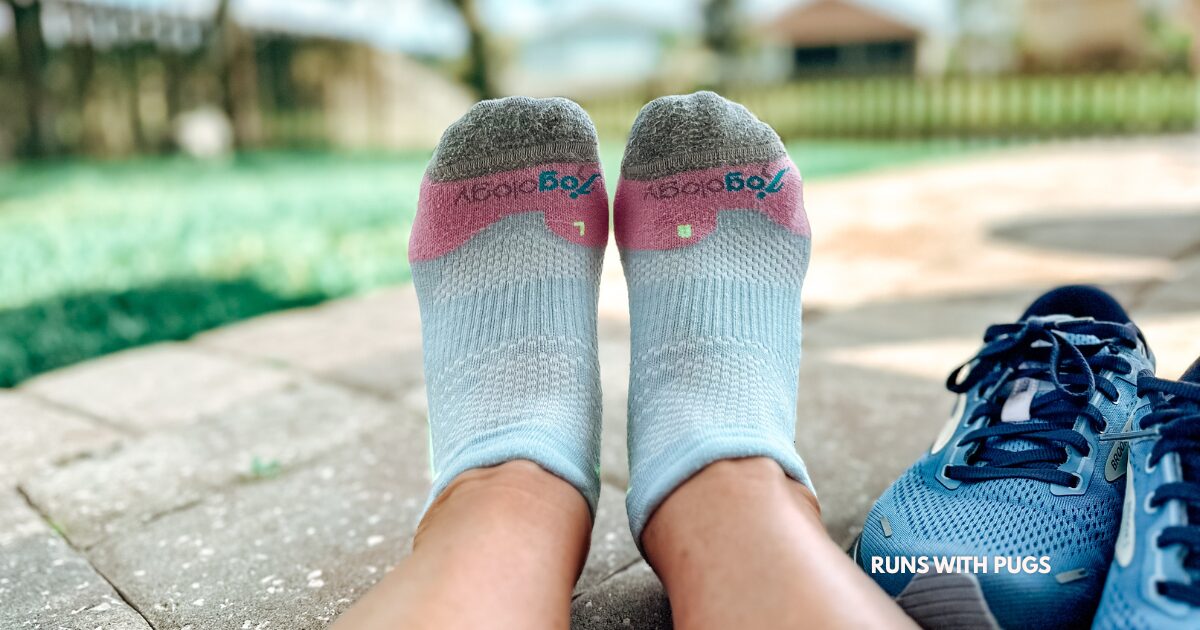
Blisters might seem like a minor annoyance, but a severe one can alter your gait and lead to bigger structural injuries down the line. In the summer, your feet sweat significantly more, and that moisture gets trapped inside your socks. When you combine that with the constant friction of your stride, you create perfect breeding ground for deep, painful blisters. To combat this, summer running requires a shift in gear: swap to high-performance, moisture-wicking socks (never cotton) and consider applying an anti-chafing balm directly to high-rub areas before you even put your shoes on.
Dehydration-Induced Tendonitis
This is one of the most overlooked heat injuries in the running community. Your tendons, like your Achilles and patellar tendons, rely on proper hydration to stay elastic, lubricated, and compliant. When you run in a chronically dehydrated state, your tendons become less flexible and much more brittle. This means the repetitive impact of running causes micro-tears at a much faster rate, leading to sudden bouts of tendonitis. If you notice your joints feeling unusually stiff, tight, or achy during or after a hot mile, take a close look at your daily water intake.

Heat Exhaustion
This is the most serious heat injury a runner can face on the asphalt, and it happens when your body’s internal cooling mechanism simply can’t keep up with the external environment. Heat exhaustion manifests as a cluster of symptoms: sudden dizziness, nausea, a headache, heavy sweating paired with cold or clammy skin, or an unusually elevated heart rate that won’t come down even when you slow down. This is not a moment to push through. Heat exhaustion is a clear sign to immediately stop running, find some shade, and cool down.

Now is not the time for hitting peak paces or pushing through. Summer is when we should work on maintaining a baseline of fitness and protecting our health for the upcoming fall season. Dropping your pace, adjusting your mileage, and prioritizing hydration aren’t signs of weakness, they are the hallmarks of a smart, sustainable runner.
How are you modifying your miles to stay healthy in the heat this week? Have you had to navigate any of these summer setbacks yet?
Join the Runner’s Roundup!
Link up each week to post your favorite running tips, experiences, race and training recaps, workouts, gear, and coaching ideas. Join your hosts Coach Debbie Runs, Confessions of a Mother Runner, Mile by Mile, and Runs with Pugs, each week for the Runners’ Roundup linkup! Your link must be running related. Unrelated links will be removed. You must link back to your hosts — it’s common courtesy and a lot more fun! Spread the link-up love by visiting at least two other #running bloggers! Leave a comment and find new blogs to read! Use hashtags #running and #RunnersRoundup to stay in touch and promote your content!




I’ve never thought about tendons becoming brittle because of dehydration, but it makes sense!
Another good reason to carry my hydration vest with me!
Yes and yes! It’s always good to be prepared!
Its going to be in the triple digits here for the next few days. I am hoping to get my long run done outside but we will see how bad it is. I know I’ll need to slow down and bring alot of water/electrolytes!
Oh, please be safe! That’s reaaaaaallly hot.
This is great information. I run very early to avoid the heat as much as possible. And fortunately, it’s pretty dry here so that isn’t too much of a problem (until August!).
Staying hydrated is so important. Even though I struggle with getting lightheaded during a run even during the winter, it’s worse in the summer and I really try to stay hydrated. I always carry water with electrolytes with me, whether I’m running, working out, or just at work. I’ve also started drinking a full glass of water when I get up in the morning to get a jump start on my hydration.
I hate drinking anything so hydration is tough for me. I try, but it’s just not my favorite.